30 Jul 2026
Mechanics of Layered Rewards in Virtual Casino Platforms
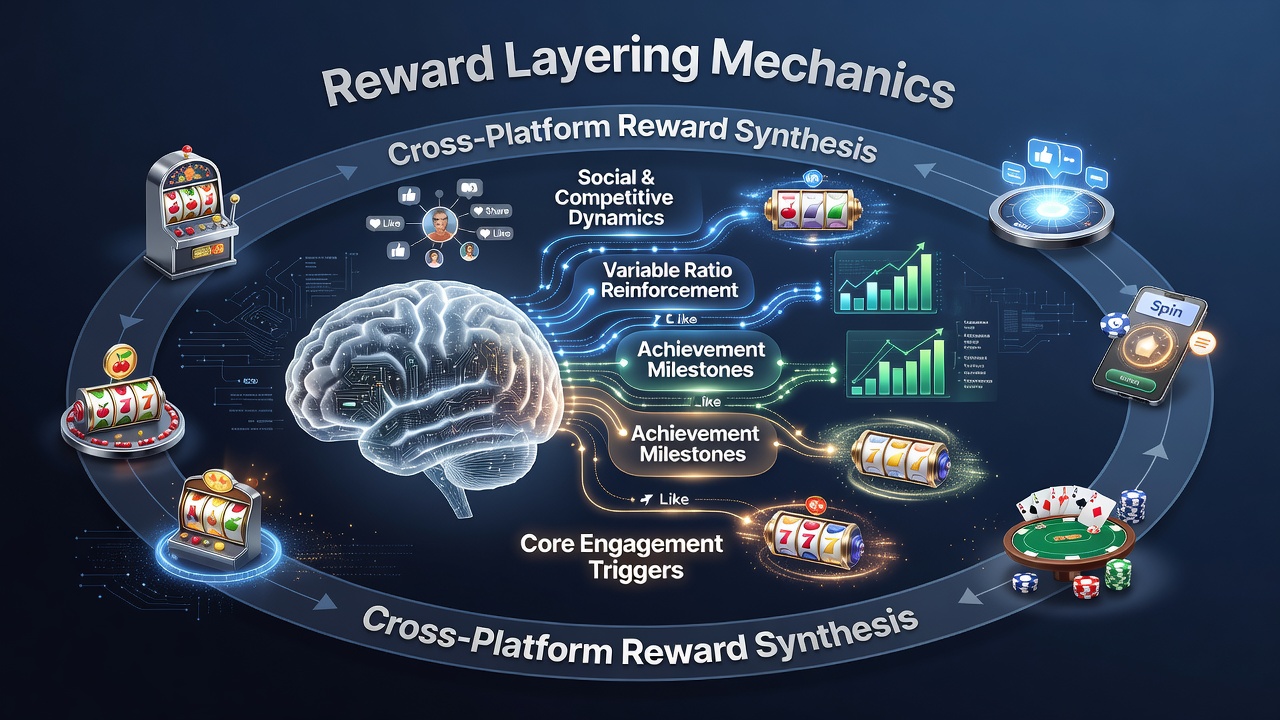
Digital casino formats rely on structured systems that combine multiple incentive types into single player journeys, where initial deposits unlock entry-level rewards while continued activity triggers additional tiers. Operators design these layers to span slots, table games, live dealer streams, and mobile applications, each format carrying distinct progression rules that adjust based on wager volume and session frequency.
Core Components Across Formats
Slot platforms typically initiate the first layer through welcome packages that pair deposit matches with free spin allocations, after which activity-based points accumulate toward cashback percentages or exclusive round multipliers. Live dealer environments shift emphasis toward table-specific multipliers and loyalty credits earned per hand played, while mobile formats integrate push notifications that surface time-limited boosts tied to location data or device type. Data from industry reports shows these components often interconnect through centralized player accounts that track progress across all formats simultaneously.
Studies conducted by research institutions indicate that reward layering increases session duration when operators synchronize point systems between slots and live tables. One analysis from a North American gaming association highlighted how combined structures convert casual players into consistent participants by offering cross-format redemptions, such as using slot-earned credits at live blackjack tables. In July 2026 several platforms introduced unified dashboards that display layered progress in real time, allowing users to monitor advancement toward higher tiers without switching applications.
Progression Mechanics and Trigger Points
Entry layers activate upon registration or first deposit, granting immediate access to base rewards, whereas mid-tier unlocks require cumulative wagers that reset monthly or quarterly depending on the jurisdiction. Higher layers incorporate personalized elements such as dedicated account managers or accelerated point rates, often reserved for players whose monthly activity exceeds set thresholds. Observers note that trigger points vary by format, with mobile apps favoring shorter accumulation windows to accommodate on-the-go play while desktop platforms extend timelines to encourage deeper engagement during longer sessions.
Those who have examined player data across regions report that Australian regulatory frameworks emphasize transparent disclosure of layer requirements, requiring operators to list exact wager thresholds before any reward activates. Similar transparency rules appear in Canadian provincial guidelines, where platforms must publish historical redemption rates for each tier. Such requirements create standardized documentation that helps users understand when and how layers compound.
Format-Specific Variations
Slot-focused environments layer rewards around reel volatility and bonus round frequency, allowing players to exchange accumulated spins for higher-stake access or enhanced feature sets. Live dealer formats instead prioritize time-based incentives, such as extended seat reservations or private table invitations earned through consistent attendance. Mobile casino applications often embed social elements, where shared achievements unlock group bonuses that feed back into individual accounts. Researchers have documented how these variations maintain engagement by aligning reward timing with the natural pacing of each format.
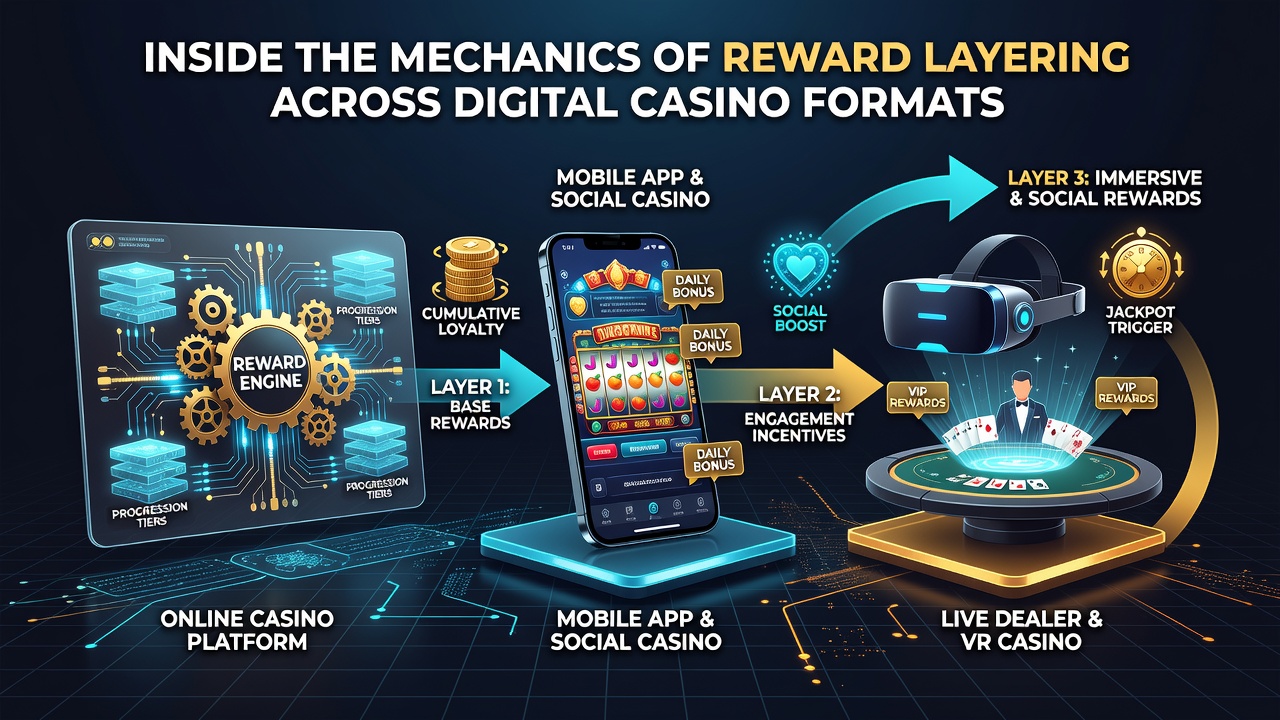
According to figures released by the American Gaming Association, layered structures contribute to measurable increases in cross-format play, particularly when operators link slot progress to live dealer privileges. European trade groups have similarly recorded steady participation growth in platforms that maintain synchronized loyalty ledgers. These patterns emerge most clearly in markets with mature digital infrastructure, where users switch between formats without losing accumulated benefits.
Technical Implementation and Tracking
Backend systems log every wager against predefined layer criteria, applying algorithms that adjust reward values based on game type and risk profile. Real-time APIs push updates to user interfaces, ensuring that progress bars reflect the latest activity across devices. Industry organizations emphasize the importance of audit trails that verify layer calculations, especially when rewards involve monetary equivalents or withdrawal-eligible credits. In practice this means operators maintain separate ledgers for each reward category while presenting a unified view to players.
One case involving a major platform revealed how integration between slot and live dealer modules allowed points earned during video poker sessions to accelerate live roulette bonuses, creating seamless transitions between formats. Academic papers on player behavior suggest such connectivity reduces friction and supports sustained activity over extended periods.
Conclusion
Reward layering operates through interconnected rules that adapt across slots, live tables, and mobile environments while relying on centralized tracking to maintain consistency. Regulatory approaches in multiple regions continue to shape disclosure standards and redemption processes, influencing how operators present progression paths to users. As platforms refine these systems, the underlying mechanics remain focused on aligning incentives with format-specific play patterns and verifiable activity thresholds.