4 Aug 2026
Mobile Interfaces Driving Shifts in Reward Mechanisms for Britain's Regulated Gaming Operators
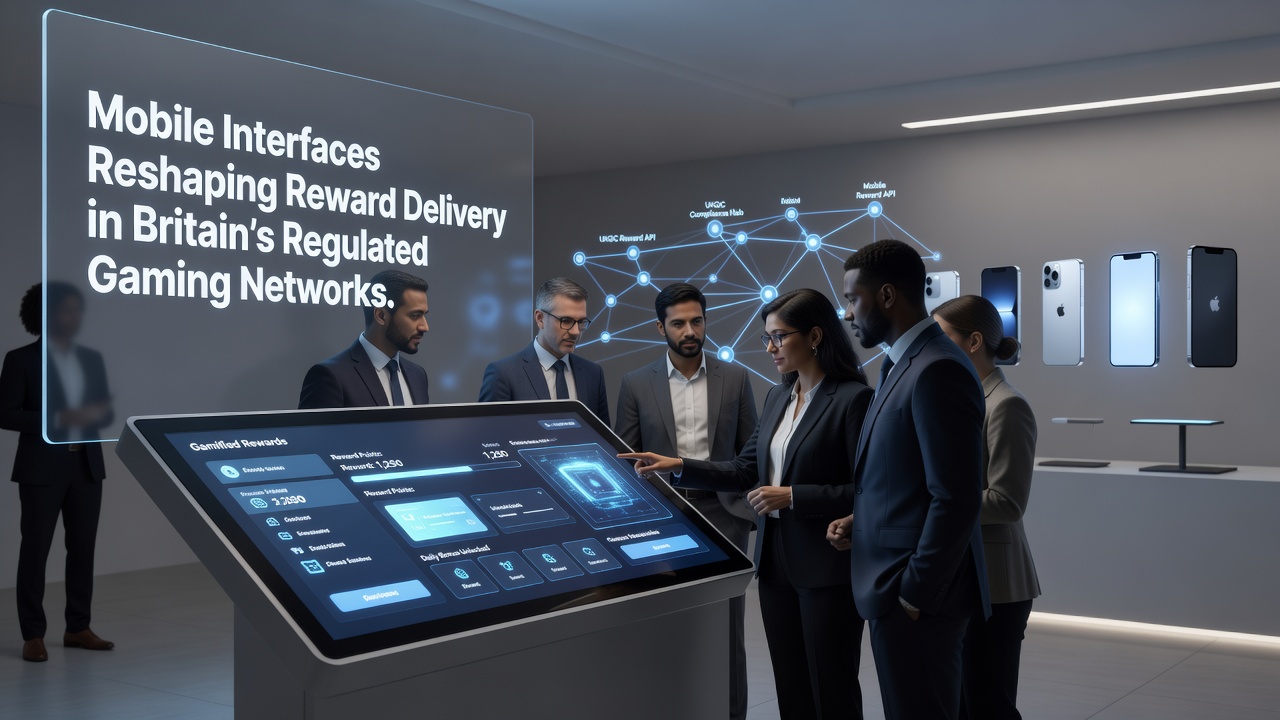
Smartphone applications now handle the majority of player interactions within Britain's regulated gaming networks, and this shift has altered how operators deliver bonuses, loyalty points, and promotional credits. Developers have built systems that push tailored offers directly through touch-enabled dashboards, where users swipe or tap to claim rewards without navigating separate websites or desktop portals. Data compiled by the European Gaming and Betting Association shows mobile sessions accounted for over 70 percent of all regulated play activity by mid-2026, which means reward engines must respond in real time to gestures and location signals rather than traditional login patterns.
Operators have integrated geofencing and device sensors so that rewards appear only when a player enters a permitted zone or meets session thresholds detected by the phone itself. These mechanics rely on secure APIs that link the gaming account to the mobile operating system, allowing instant crediting of free spins or deposit matches once the interface registers the qualifying action. August 2026 brought updated compliance frameworks across several European jurisdictions that required operators to log every mobile-triggered reward in auditable trails, and this requirement accelerated the adoption of unified dashboards that combine play history with reward status on a single scrollable screen.
Personalization Through Touch and Gesture Controls
Modern mobile interfaces collect continuous input from swipe speed, session duration, and in-app navigation depth, then feed those signals into algorithms that adjust reward timing and value. A player who lingers on live dealer tables might receive a targeted reload bonus presented as a floating card that expands with one tap, while slot users see stacked free-spin packs that animate into the balance meter. Research from the University of Nevada's gaming technology lab indicates that such gesture-triggered presentations increase claim rates by measurable margins compared with email or SMS distribution alone.
Push-notification systems have also evolved beyond simple alerts. They now embed mini-interfaces that let users preview and accept rewards without leaving the current game screen. This reduces friction and keeps activity inside the regulated environment, where transaction logs remain visible to oversight bodies. Observers note that the same interfaces automatically adjust offer frequency when device usage data shows signs of extended play, creating built-in pacing mechanisms without requiring separate responsible-gaming menus.
Integration With Payment and Loyalty Layers
Reward delivery now sits inside the same mobile payment flows used for deposits and withdrawals. When a player tops up via a saved card or digital wallet, the interface can attach an instant match or cashback token that appears in the balance within seconds. Loyalty programs have migrated to the same layer, awarding tier points through visual progress bars that fill with each completed spin or hand and unlock new reward tiers upon reaching thresholds. These bars update live, giving immediate visual feedback that desktop portals once delivered only after page refreshes.
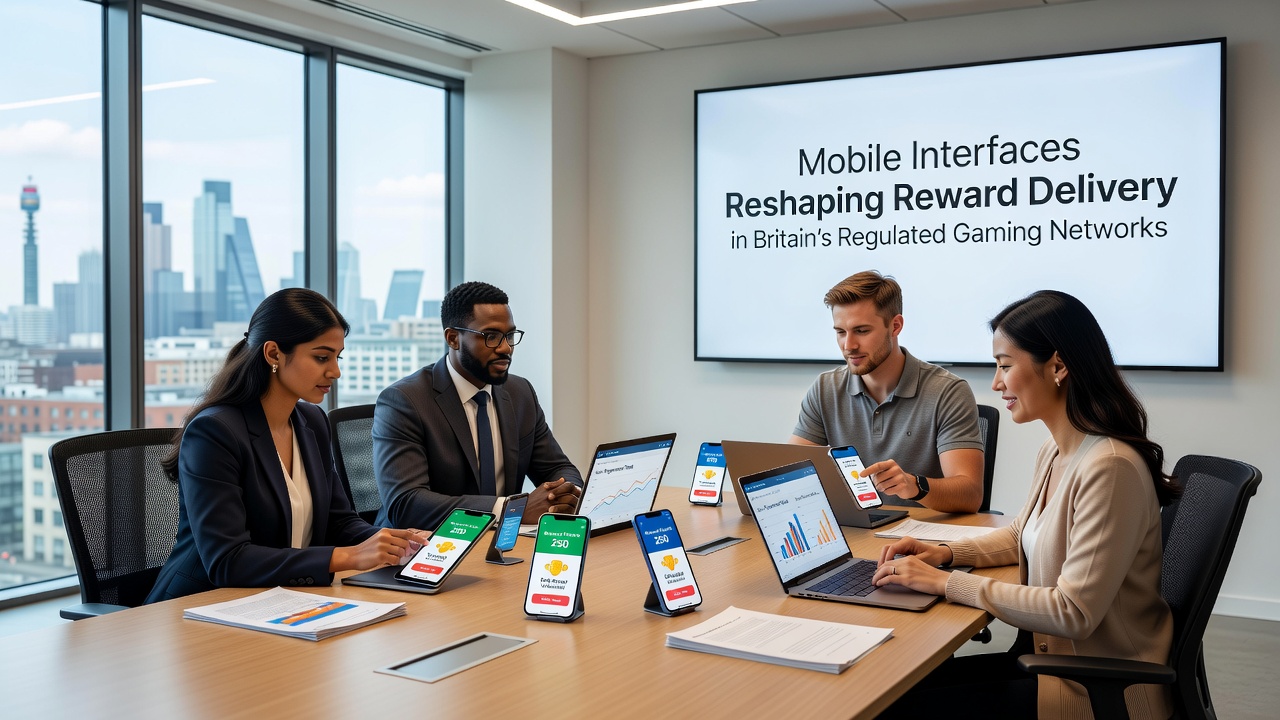
Security protocols embedded in the mobile operating systems add another layer. Biometric confirmation can authorize reward redemptions above certain values, and the same authentication logs feed into operator systems for compliance reporting. Industry reports from the Canadian Gaming Association highlight that jurisdictions requiring biometric-linked reward logs recorded fewer disputes over bonus eligibility during the first half of 2026.
Cross-Device Continuity and Regulatory Reporting
Players who switch between phones, tablets, and desktops expect rewards to follow without manual intervention. Cloud-synced profiles store pending offers and loyalty status, so a bonus initiated on a mobile interface remains available when the user opens a desktop client later. Regulated operators in Britain have adopted standardized data schemas that allow seamless handoff while preserving the audit trail required by multiple oversight frameworks.
Reporting modules within these mobile systems automatically export reward distribution metrics to regulators in machine-readable formats. The same modules flag unusual patterns, such as rapid successive claims from a single device, and route them for manual review. This automation has shortened the time between reward issuance and compliance verification, according to figures released by the Remote Gambling Association.
Future Interface Developments
Voice commands and augmented-reality overlays represent the next phase of mobile reward delivery. Early tests show that spoken requests for available bonuses can trigger on-screen confirmation screens that still require a tap or biometric check before crediting. Augmented overlays project reward animations onto a player's physical surroundings when the phone camera is active, yet all actual crediting occurs through the regulated backend. These features remain in limited rollout as of August 2026, with operators awaiting clearer technical standards before wider deployment.
Conclusion
Mobile interfaces have become the primary channel through which Britain's regulated gaming operators distribute and track rewards. Touch gestures, real-time personalization, integrated payments, and automated reporting now define the delivery process. As device capabilities advance and regulatory expectations evolve, the same interfaces continue to adapt while maintaining the auditability required across licensed networks.