23 Jul 2026
Navigating Bonus Layers: Transitioning Entry Spins into Sustained Live Table Play on Licensed Portable Platforms
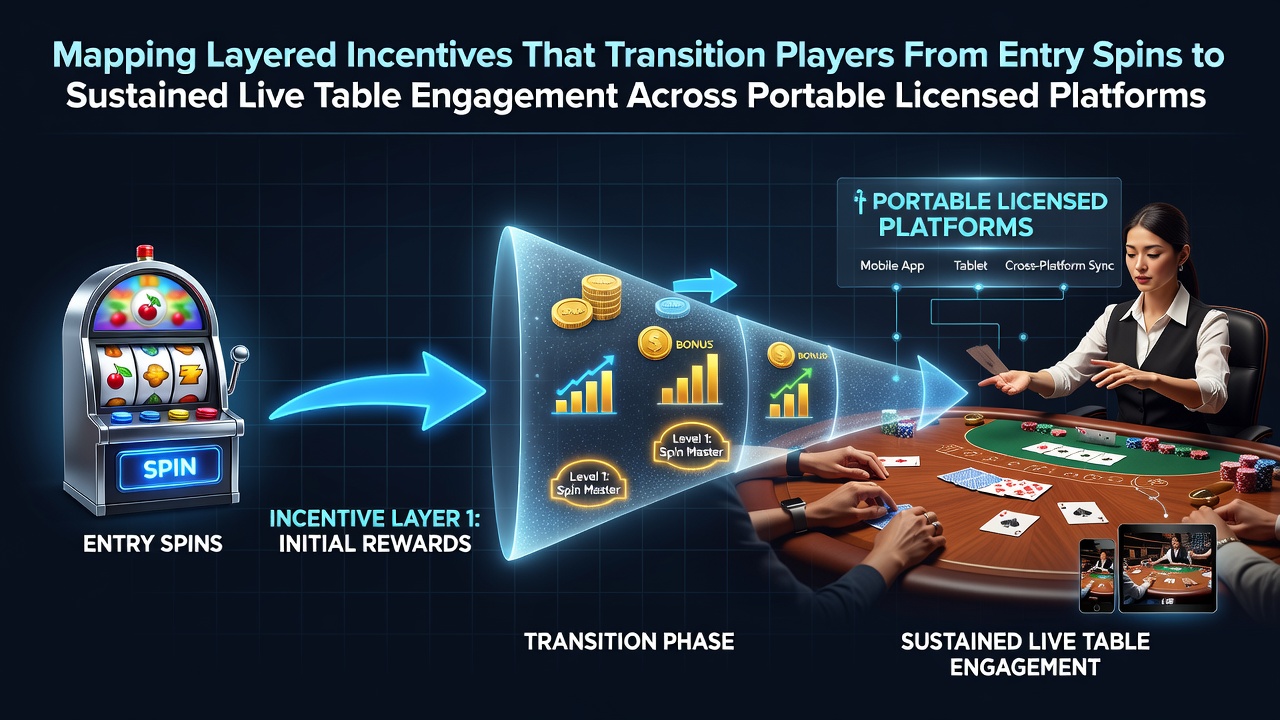
Data from multiple gaming jurisdictions shows that structured incentive programs often begin with entry-level free spins on slot games, then guide participants toward live dealer tables through progressive reward tiers. Operators on licensed mobile platforms deploy these sequences to maintain engagement while complying with regional regulations that took effect around July 2026. Studies from the Australian Gambling Research Centre indicate participation rates rise when initial spin offers connect directly to table game credits, creating measurable pathways rather than isolated promotions.
Entry Points Through Spin-Based Offers
Portable platforms licensed in various markets typically introduce players via no-deposit or deposit-matched spins on themed slot titles. These offers function as onboarding tools that introduce game mechanics and build familiarity with the interface. Research compiled by the National Council on Problem Gambling in the United States reveals that players who complete initial spin allocations demonstrate higher retention when subsequent rewards unlock table game access. The transition occurs through automated triggers that convert unused spin value into live dealer credits, often at fixed conversion rates documented in operator terms.
Progressive Tier Activation
Once players engage wth live tables, incentive layers expand to include cashback percentages, multiplier bonuses, and loyalty points that accumulate across sessions. Figures released by the Canadian Centre for Gaming Research demonstrate that mobile users who receive tiered rewards after their first live roulette or blackjack session show increased session duration compared with those limited to slots alone. Operators implement these progressions through account tracking systems that monitor play patterns and release rewards at predetermined thresholds, such as after 50 spins or a set number of table rounds.
What's notable is how mobile interfaces streamline this progression. Push notifications and in-app banners alert users when they qualify for the next layer, reducing friction between spin-based entry and sustained table engagement. Industry reports from the European Gaming and Betting Association highlight that platforms incorporating real-time progress trackers retain users longer across both spin and live formats, especially when rewards remain portable across devices.
Role of Licensed Platform Features
Licensed operators maintain compliance by embedding responsible gaming tools within these layered structures. Self-imposed limits on deposit amounts and session times integrate with incentive delivery, ensuring rewards do not override player controls. Data collected through the New Zealand Gambling Commission shows that July 2026 regulatory updates prompted many platforms to display incentive progress alongside limit indicators, creating transparent mapping for participants. This approach supports sustained engagement while aligning with cross-border licensing standards that emphasize player protection metrics.
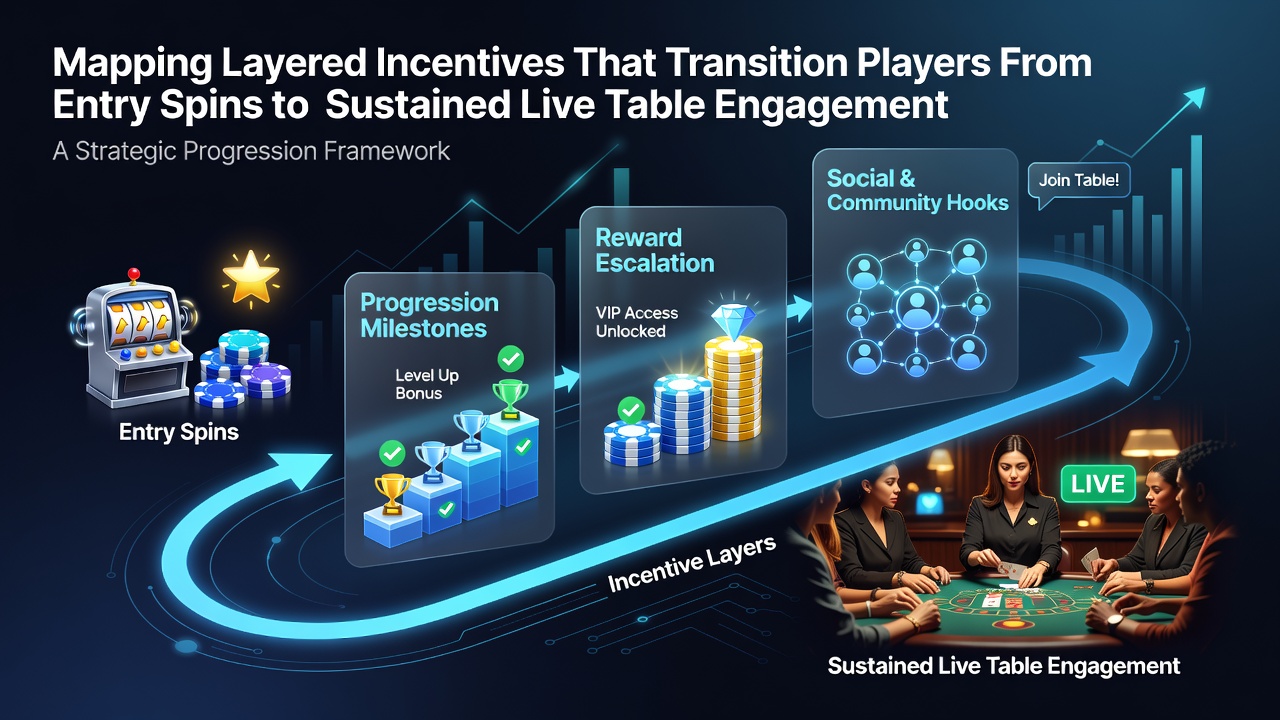
Take the case of operators who tested hybrid reward models in 2025. Those who linked spin completion directly to live table seat reservations reported smoother transitions, according to aggregated findings from academic studies published in the Journal of Gambling Studies. The models use algorithms that factor in game type, stake level, and time spent to determine when a player moves into the next incentive band. Such systems operate on portable devices without requiring separate applications, maintaining continuity as users switch between slots and live environments.
Data Patterns Across Jurisdictions
Comparative analysis from regulatory bodies in multiple regions reveals consistent patterns. Participation in live tables increases when entry spins carry forward value rather than expiring unused. Observers note that platforms in Australia and parts of North America that adopted unified reward ledgers experienced steadier growth in cross-format activity during the first half of 2026. These ledgers track cumulative activity across spins and tables, unlocking benefits such as dedicated dealer access or reduced commission rates on specific games.
External factors also influence the mapping process. Payment method restrictions and currency conversion rules affect how rewards transfer between game categories, particularly on international platforms. Reports from the Singapore Ministry of Home Affairs gaming oversight division indicate that clear disclosure of transfer mechanics correlates with higher completion rates for layered incentive programs. Players who understand the full sequence from initial spins to ongoing table rewards tend to engage more consistently across sessions.
Conclusion
Layered incentive structures on licensed portable platforms function as connected sequences that begin with spin-based entry points and extend into sustained live table participation. Available data from diverse regulatory and research sources shows these progressions rely on automated tracking, transparent thresholds, and integrated mobile features to maintain continuity. As platforms continue refining these systems under evolving July 2026 frameworks, the emphasis remains on measurable transitions that align player activity with licensed operational standards across regions.