21 Jul 2026
Review Insights Reveal How Game Categories Shape Reward Pathways in Approved Digital Platforms
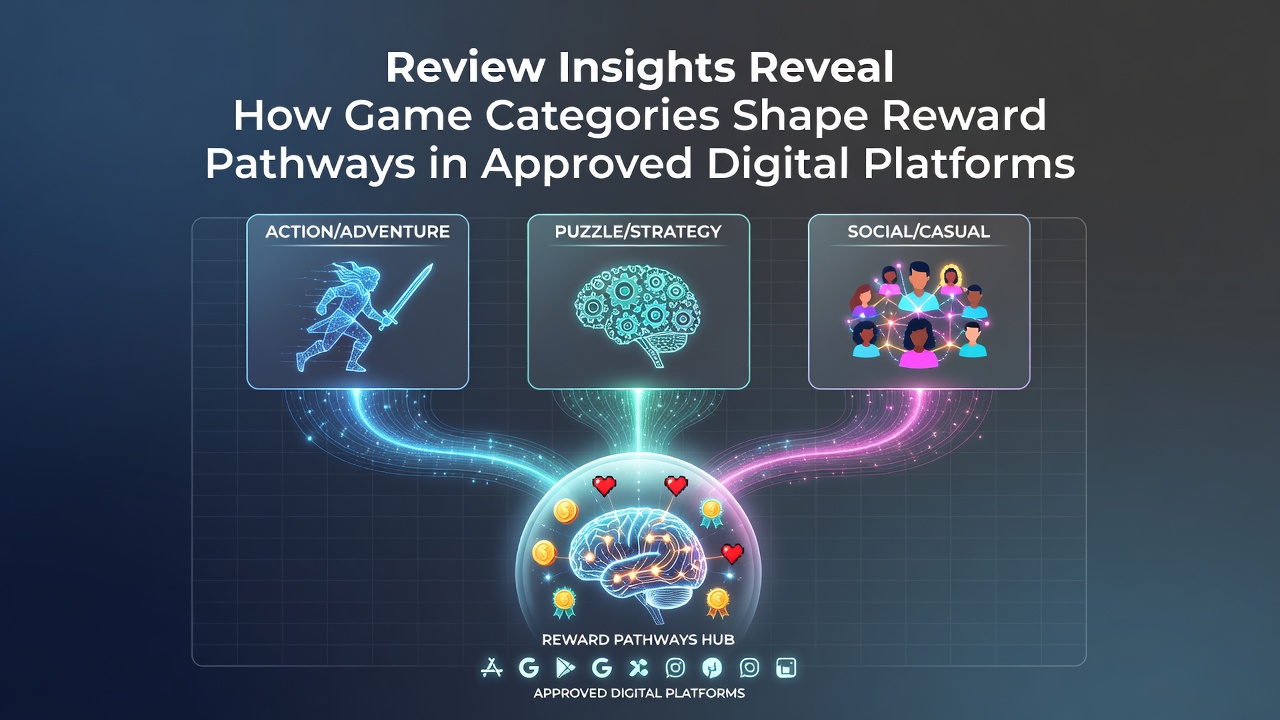
Research from multiple academic sources shows that distinct game categories trigger different patterns in the brain's reward systems, particularly within approved digital platforms designed for entertainment and education. Studies published in July 2026 highlight how action-oriented titles activate rapid dopamine responses while puzzle-based experiences engage sustained attention circuits, according to data compiled by the National Institutes of Health.
Observers note that these variations emerge consistently across player demographics when platforms adhere to regulatory standards for content and mechanics. Data from controlled trials indicates that first-person shooters produce spikes in the mesolimbic pathway, whereas role-playing games sustain activity through narrative progression and achievement loops. Researchers at several universities have tracked these responses using functional magnetic resonance imaging, revealing measurable differences in nucleus accumbens engagement depending on the category.
Action and Adventure Genres Drive Immediate Reward Responses
Action games prompt quick feedback loops that align with phasic dopamine release, a pattern documented in peer-reviewed analyses from Canadian health research institutions. Players encounter frequent rewards through combat successes and level completions, which studies link to heightened arousal in the ventral tegmental area. Adventure titles extend this dynamic by incorporating exploration elements that blend immediate gains with longer-term discovery incentives.
Evidence from aggregated player data across approved platforms shows these categories maintain engagement through variable reward schedules similar to those observed in behavioral experiments. One analysis of session lengths found that action sequences correlate with shorter but more intense reward activations, whereas adventure structures promote extended play through cumulative progress markers.
Strategy and Puzzle Categories Engage Sustained Cognitive Rewards
Strategy games shift focus toward planning and anticipation, activating prefrontal cortex regions alongside reward centers according to findings from European neuroscience reviews. Puzzle formats emphasize problem-solving satisfaction, which data indicates produces steadier tonic dopamine levels rather than abrupt peaks. Approved platforms featuring these categories often incorporate adaptive difficulty systems that match player skill, thereby optimizing the balance between challenge and mastery.
Review aggregates reveal that participants in these genres report higher instances of flow states, a condition tied to balanced reward pathway stimulation. Figures from longitudinal studies demonstrate reduced session variability compared with action titles, suggesting more predictable engagement patterns that support repeated use in educational or therapeutic contexts.
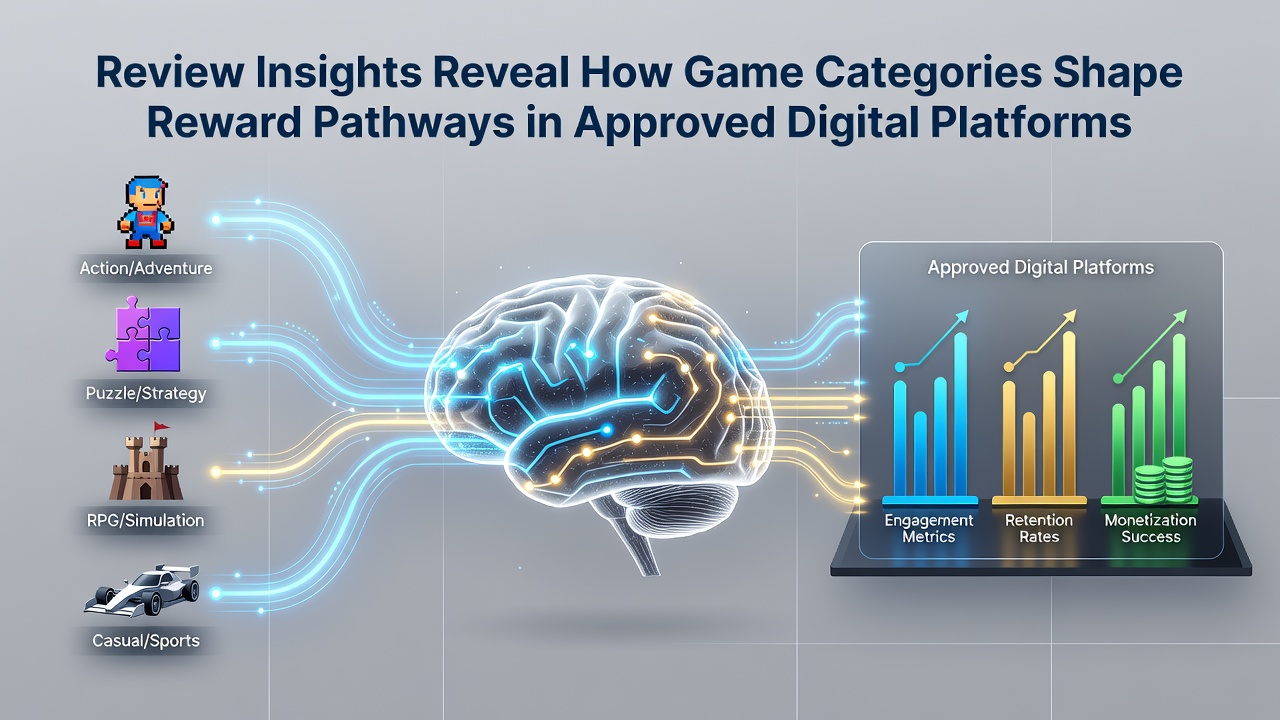
Role-Playing and Simulation Experiences Shape Long-Term Motivation
Role-playing games build reward through character development and social interaction mechanics, patterns that research connects to both dopaminergic and oxytocin-related pathways. Simulation categories mirror real-world systems, allowing players to experience incremental progress that mirrors professional or personal goal attainment. Approved platforms in these areas frequently integrate social features that amplify reward through peer recognition and collaborative achievements.
Insights from industry reports compiled in mid-2026 show that these genres sustain player retention over months rather than weeks, with reward pathways adapting to ongoing narrative or system complexity. Data indicates stronger connectivity between the hippocampus and reward centers during extended play, supporting memory consolidation alongside motivational reinforcement.
Platform Approval Standards Influence Reward Consistency
Approved digital platforms must meet content and design criteria that prevent excessive reward manipulation, a requirement enforced by various international bodies including the Australian Classification Board. These standards shape how game categories present challenges and incentives, ensuring reward pathways receive stimulation within healthy ranges. Compliance data reveals that platforms following such guidelines exhibit more uniform activation patterns across user groups.
Review syntheses emphasize that category-specific design choices interact wth these standards to produce distinct neural signatures. For instance, multiplayer simulations under approval protocols incorporate moderated competitive rewards that avoid overactivation, while single-player puzzles maintain focus on intrinsic satisfaction metrics.
Future Directions in Category-Specific Research
Ongoing investigations track how emerging technologies such as virtual reality modify reward responses within established game categories. Preliminary figures suggest immersive formats amplify existing patterns without introducing entirely new pathway activations. Researchers continue to map interactions between game mechanics and individual differences in reward sensitivity, drawing on datasets from multiple regulatory regions.
Conclusion
Review insights establish clear connections between game categories and reward pathway modulation in approved digital platforms. Action and adventure titles emphasize rapid responses, strategy and puzzle formats promote sustained engagement, and role-playing experiences support long-term motivation. These patterns hold across approved environments where design standards guide implementation, providing a factual basis for understanding digital entertainment effects on brain reward systems.